Writing with AI
Why Does My Writing Sound Like AI?
Learn why your writing sounds like AI and how to revise generic phrasing while keeping your voice, facts and professional tone.
Read the note
Short pieces from the people who build the tools: how a reading comes about, what it can and cannot tell you, and what we changed and why.
Learn why your writing sounds like AI and how to revise generic phrasing while keeping your voice, facts and professional tone.
Read the noteNewest first. Each one stands on its own.
Preserve your submission, connect drafts to source notes, and request a fair review when your writing is wrongly flagged for AI.
See why a citation does not fix close copying, and compare legitimate paraphrasing, patchwriting, and quotation using the same source passage.
Estimate how long 1000 words take to read silently or aloud, with task-specific benchmarks and a practical test of your own pace.
There’s no universal acceptable AI percentage: check the applicable policy, understand the reading, and use your writing record to resolve a flag.
Compare a paraphrase and summary of the same passage, then choose the method that preserves the information your reader needs.
Canvas AI checks come from connected services, with coverage and teacher access determined by your institution's setup.
Use a grammar-only prompt, compare targeted corrections with chat editing, and keep your meaning and voice intact.
See how APA and MLA handle paraphrase citations, page numbers, paragraph attribution, and matching full source entries.
Use current APA and MLA guidance to cite ChatGPT, match in-text citations, explain AI assistance, and verify original evidence.
Choose between a semicolon and a colon with matched examples, clear sentence tests, and practical punctuation repairs.
Recognize AI-like writing patterns, revise stock phrasing, and combine specific passage feedback with a detector reading.
Learn to paraphrase through independent drafting, a worked example, careful meaning checks, and clear source attribution.
Turn a stiff AI draft into your own voice with practical checks for specificity, rhythm and accurate meaning.
Learn subject-verb agreement with clear rules, corrected examples, and a practice worksheet with a separate answer key.
Find the real cause of a run-on sentence and choose a correction that keeps your meaning intact.
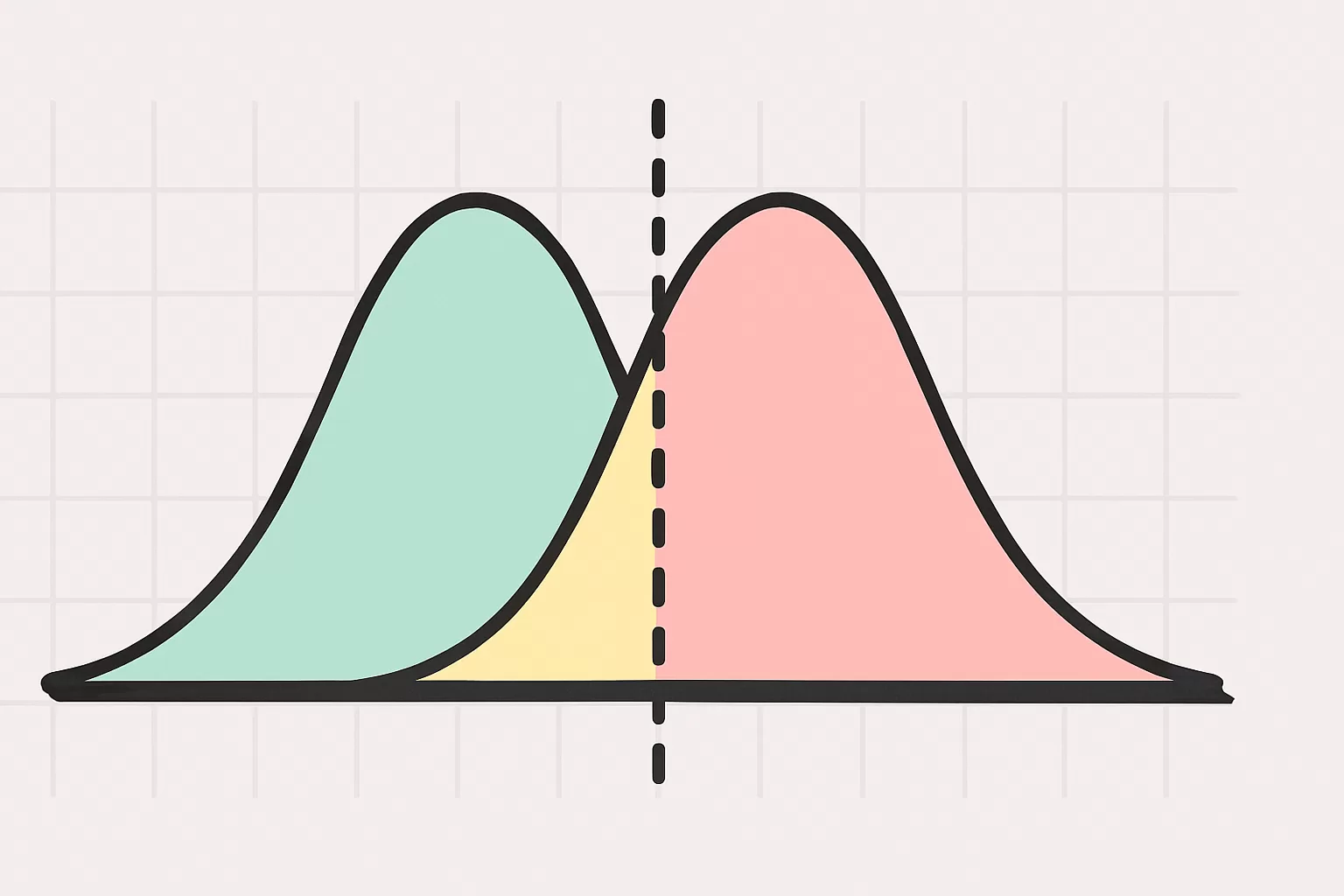
Learn what detector accuracy measures, what a 20% reading can mean, and how to review a flagged essay.
Understand Grammarly's reported AI detector accuracy, interpret its document scores, and compare readings without changing your draft between checks.
Learn what summarize means through practical examples of a text, a story, and an email, plus a clear comparison with paraphrases and abstracts.
See the same passage quoted, paraphrased, and summarized, with practical advice on choosing a method and citing it correctly.
Learn to recognize active and passive voice, compare sentence pairs, and choose the wording that keeps your meaning clear.

Find out how colleges use Turnitin, what professors see in AI-writing reports, and why admissions rules need a separate check.
Grammarly uses AI, but correcting errors, rewriting passages, and generating drafts are different activities under assignment rules.
Use a reusable summary template and an annotated example to keep the main point, cut unnecessary detail, and preserve the source’s meaning.
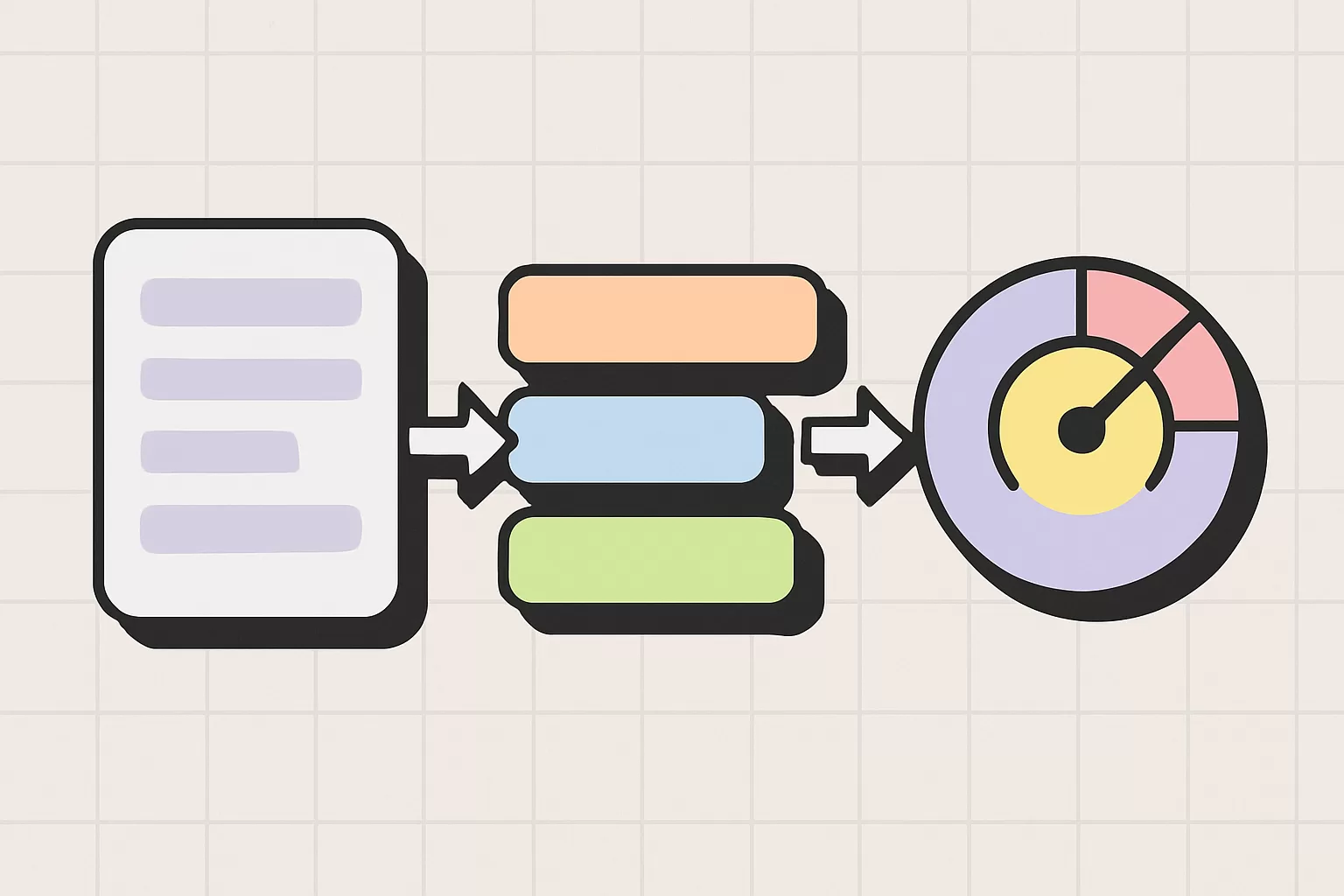
Understand how AI detectors evaluate writing, why readings change, and how to interpret a score alongside confidence and draft history.
Learn what paraphrasing means with faithful before-and-after examples, a patchwriting comparison, and narrative and parenthetical APA citations.
Check word count in Google Docs and Word, use the mobile controls, and keep your total visible while you edit.
Learn how Turnitin checks for AI, what its asterisk means, and how to read AI findings separately from a similarity score.
1000 words is about two single-spaced pages or four double-spaced pages, with font, margins and paragraph spacing determining the final fit.
Working notes, not announcements. When a number appears in one of them it was measured on the corpus described on the accuracy page, and the note links there.
How we measure accuracyNot advice on getting past anyone. A detector is an instrument, and these notes are about reading it well, not about defeating it.
How we write and check articlesPaste anything and you get one figure, its margin and a mark on every sentence.