An acceptable AI percentage comes from your assignment or publication rules, not a detector’s display. Start by preserving how you wrote the text, then work out what the reading measures and whether anything needs correction.
What percentage of AI is acceptable?
There’s no universal acceptable percentage. The likely confusion is treating a detector reading as an allowance in a policy.
I’d start with your writing record, not a rewrite. A low reading doesn’t make prohibited AI use acceptable, and an unexpected flag needs review against how you actually wrote the text.
- Preserve your writing record: save the submitted draft, notes, sources, and existing version history.
- Find the applicable rule: read the assignment instructions, syllabus, or publication’s author guidelines.
- Match the rule to your use: distinguish brainstorming, editing, paraphrasing, and generated prose.
Why acceptable AI use varies by assignment and publisher
Permission attaches to a task, not simply to a tool. Brainstorming questions differs from submitting generated prose. Grammar correction and paraphrasing also need separate checks against the instructions.
To determine what percentage of AI-generated text is acceptable in university, find the rule for that assignment. Check permitted tasks, prohibited tasks, disclosure, citation, and assignment-specific exceptions. Confirm that the policy version applies to your course or publication.
Purdue Libraries’ publisher-policy overview shows different approaches to content generation and language editing. Use the relevant publication’s own author instructions for your submission. APA Style’s archived ChatGPT post also tells students to defer to instructor guidelines; it points readers to updated guidance.
An arbitrary online cutoff cannot replace those rules. Before interpreting your report, review our accuracy page for measured detector performance, including false positives and differences by language.
Check permission for the task
| Task | What changes | What to check |
|---|---|---|
| Brainstorming | Ideas and questions | Permission and disclosure |
| Grammar correction | Language edits | Editing restrictions |
| Paraphrasing | Reworded passages | Rewording and citation |
| Drafting | Generated prose | Submission permission |
Paste a paragraph and check it
The result appears here once you run the tool.
Check what your percentage actually measures
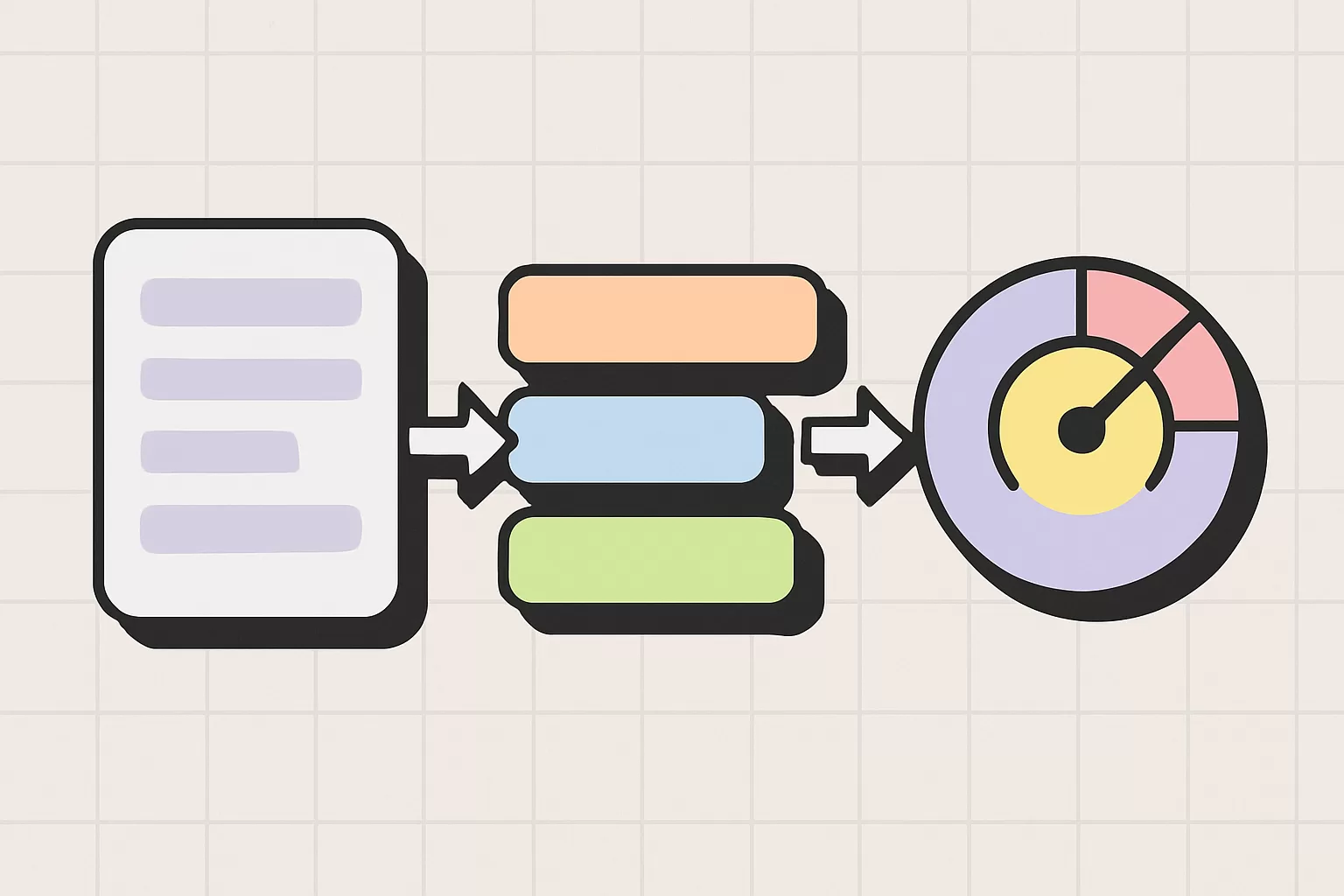
Open the full report. Check the tool name, report date, text eligible for analysis, score definition, and highlighted passages. Compare those passages with the same draft you submitted, not a later revision.
Suppose your report shows 27%. If its definition is estimated share, that concerns the qualifying text the tool scored as AI-like. It isn’t automatically a probability about the whole document. Neither meaning describes your actual tool use or grants permission.
Read any confidence rating or uncertainty range the report supplies. If neither appears, don’t add your own numerical range. A detector reading is useful evidence, not a verdict.
Turnitin displays an asterisk for readings from 1% to 19%, without a numeric score or highlights in that band. This treatment addresses increased false-positive concerns at low readings, not acceptable-use permission. Check the report date and the display explanation attached to your report.
For a practical draft check, the Blurwrite AI detector returns one figure with a High, Medium, or Low confidence rating and a mark on every sentence. Review those marks alongside your drafts and the applicable policy. Under 50 words it gives no reading; from 50 to 99 words, confidence is Low because the text is short.
Different meanings behind a reading
| Report concept | What it describes |
|---|---|
| Estimated share | Portion of eligible text |
| Classification probability | Likelihood assigned by tool |
| Confidence | Strength of the reading |
| Policy permission | Allowed uses for the task |
Resolve a flagged essay with the least disruption
To decide what percentage of AI is acceptable in an essay, start with its instructions and your process evidence. Work through fixes in order of effort rather than replacing the whole draft.
Citation identifies assistance; it doesn’t override a prohibition. MLA’s updated citation guidance directs writers to acknowledge more substantive AI uses beyond citation. Keep your explanation specific to what the tool contributed.
If generated prose is prohibited, rebuild the affected passage from your own notes and reasoning. If the record supports your original writing, request review with that record.
- Organize existing evidence: put notes, source annotations, drafts, and version history beside the flagged passages.
- Reconcile use with policy: write down which tools you used and what each contributed.
- Correct missing acknowledgment: add an omitted disclosure or citation where the rules allow a correction.
- Revise affected material: improve weak writing or reconstruct prohibited generated prose from your research and reasoning.
- Document the revision: preserve the original and explain what changed and why.
Avoid fixes that only chase a lower score
Don’t repeatedly rewrite just to lower a detector reading, add deliberate mistakes, adopt an arbitrary online cutoff, or fabricate process evidence. Don’t compare unlike scores as though their definitions match.
When editing assistance is permitted, humanizers and paraphrasers are useful revision tools. Blurwrite’s AI humanizer varies sentence length and drops filler while keeping numbers, names, and quotations. It shows before and after readings together. Use that comparison, then read the revision for meaning, facts, and your voice.
Ask your teacher or editor when the policy is unclear
Ask for clarification when instructions conflict, permitted assistance is undefined, a flag conflicts with your writing record, or a deadline is approaching. You need an answer for this task and a clear review process.
Use a message like this: “I’m writing the assigned essay and used AI to suggest outline questions. I’ve attached my notes, drafts, and version history. Is that use allowed, and what disclosure is required? Please explain how the report is interpreted and what review or correction process applies.”
Replace the example use with your actual use. For a disputed flag, identify the affected passages and ask for human review. If a decision has already been issued, request the applicable appeal procedure and deadline.
Keep working on your own text
Free plan
0 USD
Check your text without a card. The same daily allowance applies here and on the tools.
Check textTop-up credits
Add words for rewriting when you need them.
- 50,000 words4.99 USD
- 150,000 words11.99 USD
- 500,000 words29.99 USD
Questions about this article
What percentage of AI detection is acceptable?
There’s no shared acceptable detector percentage. The applicable policy determines permitted AI use, while the report tells you which writing patterns need review. Read the score definition and highlighted passages, then compare them with your drafts and actual tool use before deciding whether a correction is needed.
What percentage of AI-generated text is acceptable?
The assignment or publication rules determine how much generated text you can submit. Look for permission to generate prose, not just permission to use AI for brainstorming or editing. If the rules give no amount, ask about the intended use rather than choosing your own percentage.
Are AI checkers reliable?
AI checkers are useful for identifying passages worth reviewing, especially when you understand the reading’s confidence and the tool’s measured accuracy. False positives need investigation against your writing record. For Blurwrite, review the published measurements and compare sentence marks with your notes, sources, and earlier drafts.
Can Turnitin detect ChatGPT?
Turnitin can flag writing patterns associated with AI-generated text, including ChatGPT output. Its report estimates the share of qualifying text that reads as AI-generated. Review the highlighted passages alongside your drafting record and actual tool use, then apply the assignment’s rules to decide what needs clarification or correction.
How powerful is artificial intelligence?
For identifying AI-written text, AI provides a useful pattern-based reading, with accuracy best understood through measurements for the relevant language and writing type. Blurwrite publishes its measured rates by language. In your report, review confidence and sentence marks together, then use your writing record to investigate any unexpected flags.
What percentage of AI is acceptable in university?
Your university’s rules and assignment instructions determine acceptable AI use, not a universal percentage. Check whether they distinguish brainstorming, language editing, paraphrasing, and generated prose. If the syllabus and assignment appear to conflict, ask your instructor which instruction applies before submitting or changing the affected passage.