If you didn't use AI, your existing drafts and notes help you prove how the writing developed. Build your response from those records and ask a teacher or editor to review your process.
How to prove you didn't use AI when your writing is flagged
If you're falsely accused of using AI, a possible cause is a false positive from a detector's pattern assessment. Your first step is to preserve the writing and its process records, not change the disputed text. I'd start with these steps:
Together, those records support your account of authorship. Keep the originals intact and work from copies when preparing your response.
- Preserve the submission: keep the exact file you submitted and save a separate working copy.
- Save the report: retain the accusation, detector reading, and any marked passages.
- Collect existing records: gather drafts, outlines, source notes, and feedback without altering them.
Why your own writing can trigger an AI flag
Detectors assess language patterns rather than watch you write. Predictable wording can contribute to a flag; constrained academic phrasing is a possibility to examine, not a diagnosis you can make from style alone.
Liang and colleagues, writing in Patterns, tested seven detectors on non-native English TOEFL essays and US student essays. The tested tools incorrectly flagged more than half of the TOEFL essays on average. That finding concerns those tools and samples, not every present-day detector.
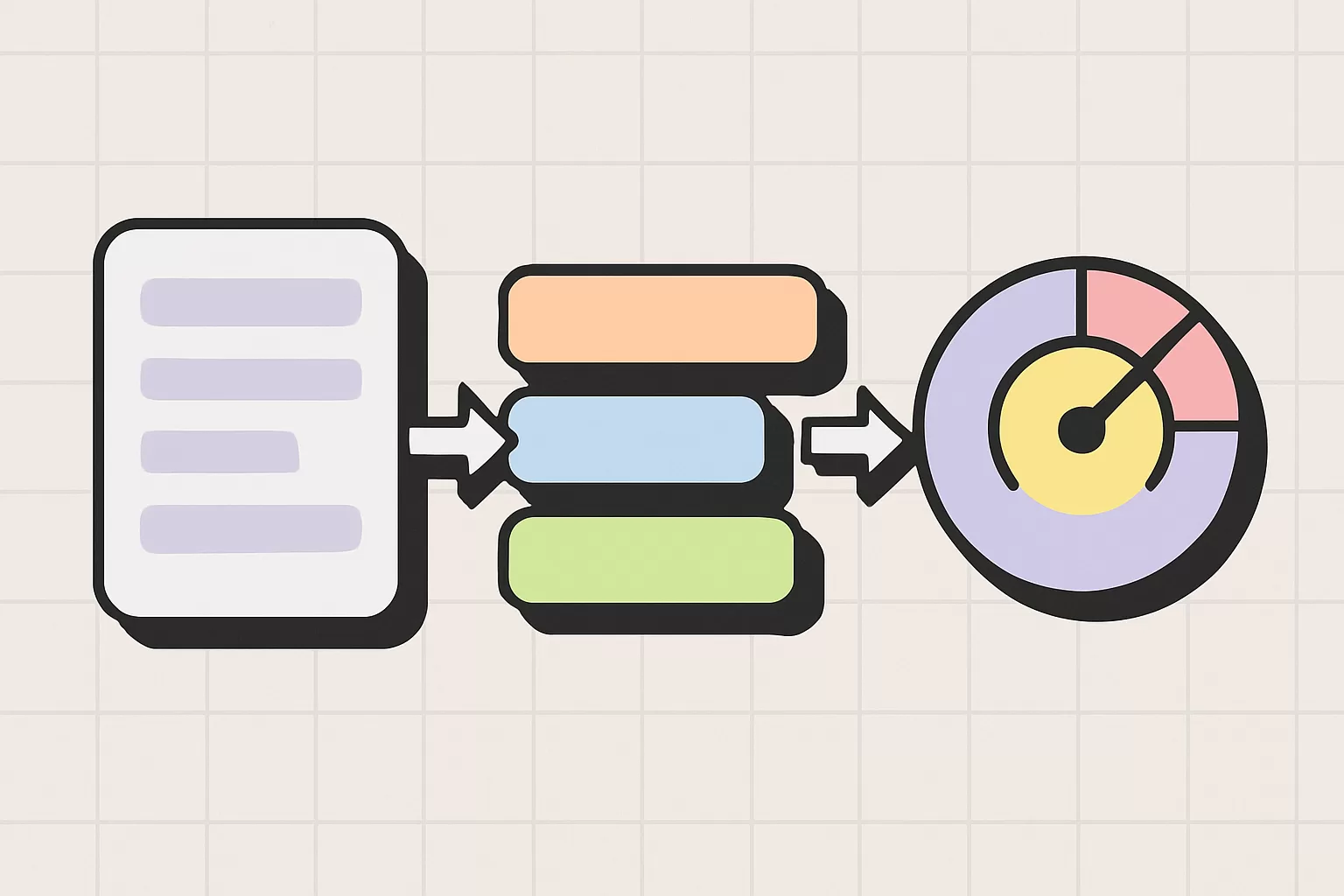
A single detector reading is useful evidence about language patterns, not proof of authorship either way. Report meanings differ, so ask what the figure represents before comparing readings. For Blurwrite's measured performance and false-positive information, consult our accuracy page, then identify which passages need an explanation.
Paste a paragraph and check it
The result appears here once you run the tool.
Gather drafts, version history, and source notes
Request the full report, flagged passages, submitted file, and assignment or publication rule behind the concern. Confirm that the file being reviewed matches what you submitted. Ask whether the concern comes from a detector reading, a writing change, or a specific use of tools.
Then inventory genuine records. Include dated drafts, outlines, annotated sources, feedback, and notes explaining revisions. A connected timeline is more helpful than an isolated screenshot: it lets the reviewer follow an idea from planning through revision.
How do you prove you didn't use AI on Word? Start with earlier saved copies and any revision records you already have. Where version history is available, inspect the entries without replacing the submitted file. Ask technology support to help locate records for your storage and setup.
Don't assume every stage was recorded. Include existing process-tracking records if tracking was active during drafting; enabling tracking now doesn't recreate an unrecorded past. Preserve originals and share only the relevant material.
Match each record to what it helps explain
| Record | What it shows |
|---|---|
| Draft | Earlier wording |
| Outline | Argument development |
| Source annotations | Evidence selection |
| Feedback | Reasons for revisions |
Build your response, starting with the easiest steps
Make the packet easy to follow. Put the questioned passage beside the record that helps explain it, rather than sending an unsorted folder.
Illustrative draft: The essay will argue that library access matters because students need a place to read.
Illustrative revision: Library access matters because students need a place to read.
The revision removes the announcement and keeps the claim. If your actual drafts show that change, explain it plainly: you moved from describing the essay to stating its argument. Use your own records, not this example, in your response.
For the optional comparison, Blurwrite's AI detector gives you one figure with a confidence rating and a mark on every sentence. Save that reading alongside the original report and note differences on the same text. Attach the comparison after your process records.
- Save existing files and the report. Keep a clearly labeled copy of the unchanged submission.
- Assemble an evidence packet. Add a dated timeline using dates supported by your records, with the relevant files attached.
- Connect disputed passages to their development. Pair the wording with an outline, source note, earlier draft, or feedback.
- Prepare a short explanation. Describe why you chose the evidence, organized the argument, and revised the wording.
- Add an optional second reading last. Check the unchanged submission, record the tool and date, and retain both reports.
What not to do after an AI accusation
Don't rewrite repeatedly until a detector returns a preferred reading. Adding deliberate errors or changing the disputed submission doesn't document how the original was written. Humanizing and paraphrasing are useful writing tasks; keep later revisions separate from the evidence packet.
Never fabricate drafts, backdate notes, or delete originals. You don't need constant screen recording or access to unrelated personal files to assemble relevant evidence.
If records are missing, say so. Offer the sources you used and explain your argument and revision choices. Label a present-day explanation as an explanation, not as an old drafting note.
Ask your teacher or editor for a process review
Contact a person promptly if the allegation affects a grade, publication, employment, or deadline. Ask for a review of the writing process when the initial exchange hasn't resolved the concern.
Adapt this message: “I wrote the submitted work and would like to address the concern. Please share the passages, report, and applicable policy. I can provide existing drafts, notes, and sources, and explain my revision choices. Could we review these materials together?”
Disclose any permitted tool use accurately. Offer to discuss the argument and sources so the reviewer can connect your explanation to the records.
For formal proceedings, check your institution's current procedure and deadlines and seek an adviser. USC's Office of Academic Integrity, for example, describes an administrative review where students can answer questions and provide their perspective. Find the route that applies to you before sending your response.
Keep working on your own text
Free plan
0 USD
Check your text without a card. The same daily allowance applies here and on the tools.
Check textTop-up credits
Add words for rewriting when you need them.
- 50,000 words4.99 USD
- 150,000 words11.99 USD
- 500,000 words29.99 USD
Questions about this article
How do I prove I'm not an AI?
Show how your writing developed through drafts, notes, sources, and revisions. Start with the submitted file, then attach relevant records connecting your early thinking to the finished text. Ask the reviewer to consider those materials together, and offer to explain the choices behind the passages they questioned.
Can you be falsely accused of using AI?
Yes, human-written work can receive an AI flag and lead to an accusation. Liang and colleagues documented false positives on non-native English TOEFL essays in Patterns. If this happens to you, preserve the submission and report, request the passages behind the concern, and gather your existing writing records.
How does a student prove they didn't use AI?
A student can support their account with a consistent writing timeline and records of their work. Include outlines, draft files, source annotations, feedback, and examples of revisions. Explain how these connect to the submitted assignment. If the concern becomes formal, check your institution's current process and ask an adviser for help.
How do you prove something is not AI?
Support your account of how it was created with records from the writing process. A finished paragraph gives a reviewer less context than that paragraph alongside its outline, draft, and source notes. Keep detector reports separate from those records so the reviewer can distinguish language-pattern readings from evidence of development.
How to prove you didn't use AI on Word?
Start with the Word file you submitted and any earlier copies you saved. Look for existing revision records or available version history, and ask technology support to help locate records for your storage setup. Add outlines, source notes, and feedback. If drafting wasn't recorded, explain that clearly rather than recreating a history.
Why is my essay flagged as AI if I wrote it myself?
A detector can flag patterns in human writing that resemble patterns it associates with AI. Liang and colleagues, writing in Patterns, found that more predictable wording contributed to false positives in the non-native English essays they tested. Request the questioned passages, then connect them to your drafts and notes before changing the essay.