To humanize AI text, revise the voice, details and rhythm while protecting the meaning. Start with generic wording rather than swapping synonyms or adding mistakes: the checks below help you make specific edits, compare the readings and confirm that the facts survived.
How to humanize AI text in your own voice
I'd start by reading the whole draft before changing individual words. Mark passages that feel interchangeable with any essay, email or report on the same subject.
Then work through these checks in order. Choose a writing sample meant for a similar audience: a casual message won't establish the right voice for an academic explanation.
Keep wording that already works. Making AI writing sound more human doesn't require replacing every sentence or inserting a personal story. Never invent experience or quotations to make the draft feel personal.
If a paragraph lacks a clear point or supporting information, rebuild it from your notes. Better phrasing can't supply a missing argument.
- Mark vague claims and stock transitions. Highlight wording such as significant benefits or additionally when it adds no useful information.
- Compare the draft with a short sample of your own writing. Notice your vocabulary, level of formality and how directly you make a point.
- Replace a generic example with a relevant detail you can verify. A concrete example gives the reader something to understand rather than another broad claim.
- Add your actual perspective where it belongs. Explain what you think and why, using only experience, evidence or opinions you genuinely have.
Vary sentence rhythm without changing your meaning
Rhythm follows emphasis, not a quota for sentence lengths, contractions or slang. A short sentence can land a point; a longer one can explain the connection behind it.
When I edit, I look for repetition before I look for length. Several sentences with the same opening can feel mechanical even when each is clear.
Avoid random synonym swaps. Choose the word that fits the meaning and audience, even if you've used it elsewhere. Consistent terminology helps readers follow an explanation.
- Split sentences that contain competing ideas. Give each point enough space when one sentence pulls the reader in different directions.
- Combine short sentences when their relationship becomes clearer. Joining a claim to its explanation can remove a choppy stop-start pattern.
- Replace stiff wording with words you'd actually use. Choose use instead of utilize when they mean the same thing in your sentence.
- Remove repeated openings and unnecessary transitions. Keep connecting words where they explain a relationship, not where they merely announce another sentence.
AI humanizer
Academic, Professional, Casual and the Deep strength open with a paid plan. Custom comes with Pro.See plans
The result appears here once you run the tool.
Keep facts, names and numbers exact
Humanizing AI-generated text is an accuracy-preserving editing task. Your revision should sound more natural without quietly making its claims stronger.
Preserving the draft's meaning and verifying its accuracy are separate jobs. First check the underlying claims against their sources; then make sure your edit retains that verified meaning.
Watch the small words. Removing only, some or under these conditions can change a sentence's scope without making it look substantially different.
Use the free grammar checker to review grammar and punctuation in the revised passage. Read each suggested change against what you intend to say, especially around qualifications and attribution.
- Compare names, dates, numbers and units against the original sources. Copy these details into a separate note so you can check them after rewriting.
- Preserve attribution and quotations. Keep the speaker attached to the statement, and leave quoted wording exact.
- Check qualifiers and causal claims. Don't turn suggests into proves, or an association into a claim that one thing caused another.
- Compare the original and revision for omitted or added claims. Read for meaning rather than checking only whether the same keywords survived.
Read it aloud and use tools for a focused second pass
Run the draft through the AI detector for one figure with a confidence rating and a mark on every sentence. That reading is useful evidence for review, not proof of authorship.
For a marked passage, the AI humanizer offers an alternative version with varied sentence length and less filler. It checks and keeps numbers, names and quotations, shows changed words, and displays before-and-after detector readings.
Use that comparison to select edits that fit your voice. The humanizer supplies alternative phrasing; you supply your personal perspective, verify the sources and choose the final wording.
- Read aloud and mark phrases you wouldn't say. Listen for awkward wording and places where the connection between ideas disappears.
- Use a detector reading to choose passages for closer inspection. Review the marked sentences alongside the surrounding paragraph.
- Rewrite a marked passage by hand or with the humanizer. Choose wording that fits your sample and keeps the passage's meaning.
- Compare before-and-after readings alongside the actual wording. Check which edits changed the rhythm and whether the revision still says what you intended.
- Finish with a voice and facts review. Read the chosen version aloud and compare its claims with your source notes.
Choose the kind of edit the passage needs
| Method | Best focus | Review afterward |
|---|---|---|
| Manual revision | Perspective and argument | Your notes and evidence |
| Humanizer | Phrasing and rhythm | Version comparison |
| Grammar review | Grammar and punctuation | Meaning after each fix |
See the checklist applied to one generic paragraph
Example source note: Use the essay comparison reported in Patterns, keeping the publication, sample counts and finding exact. The supplied editorial viewpoint is to explain the comparison before the result. This is an editing exercise, not a claim of personal experience.
Before: “Patterns provides an informative comparison involving 91 TOEFL essays and 88 US eighth-grade essays. It is useful to understand this comparison before considering the finding. Patterns reports that the detectors incorrectly labeled more than half of the TOEFL essays as AI-generated.”
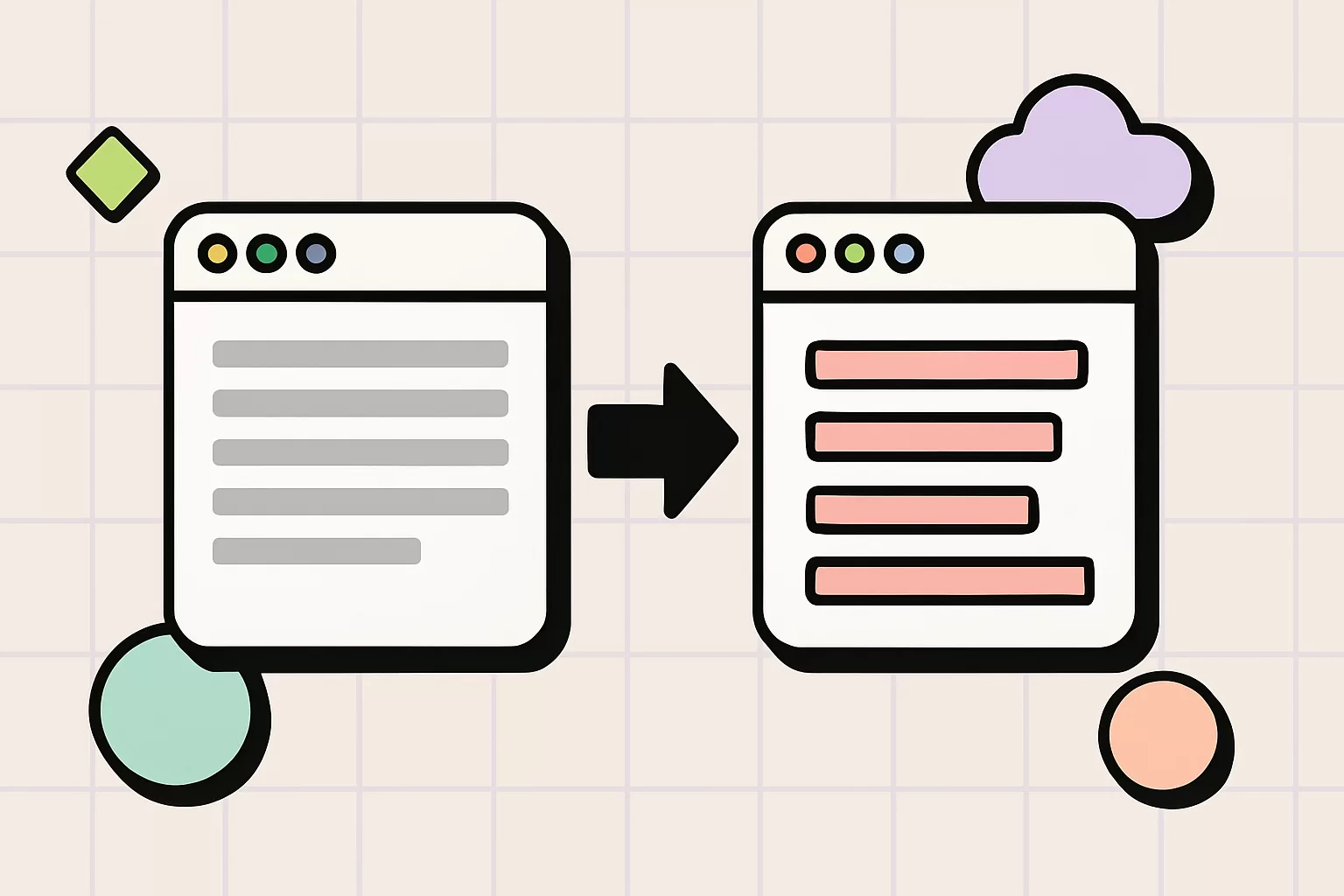
After: “Patterns compares 91 TOEFL essays with 88 US eighth-grade essays. Start with that comparison. Patterns reports that the detectors incorrectly labeled more than half of the TOEFL essays as AI-generated.”
The final factual sentence is deliberately unchanged. The edit cuts empty praise and makes the supplied viewpoint direct. It also retains the groups being compared, rather than replacing them with the vaguer phrase different writing samples.
To humanize AI text 100 percent, complete the checks across the draft: voice, rhythm, accuracy and final review. Completion means those editorial checks are finished, not that another detector's result is guaranteed.
- Replace vague framing: The revision opens with the comparison instead of empty praise.
- Vary the rhythm: A short sentence separates the setup from the finding.
- Keep claim strength: More than half remains more than half, without a stronger conclusion.
- Keep attribution and details: Patterns, both essay counts and the finding remain visible.
Your reusable AI text editing checklist
Copy the checklist below into your drafting document and use it passage by passage. Keep your writing sample and source notes beside it so each decision has something concrete to compare against.
Under voice and specificity, check the details and perspective. Under rhythm, check how ideas connect. Accuracy covers the claims themselves; final review brings together the read-aloud pass and the detector comparison.
Leave effective sentences alone. Stop when the revised passage sounds like you, reads cleanly and retains the verified facts. If its argument still needs rebuilding, return to your notes before polishing more words.
- Voice and specificity: Mark vague claims, stock transitions and repeated openings.
- Voice and specificity: Match your writing sample, add verified detail and use your actual perspective.
- Rhythm: Split competing ideas and combine short sentences when their connection becomes clearer.
- Rhythm: Replace stiff wording and remove unnecessary transitions.
- Accuracy: Verify names, dates, numbers, units, quotations and attribution against sources.
- Accuracy: Compare versions for missing claims, added claims and stronger qualifications.
- Final review: Read aloud, inspect marked passages and revise by hand or with the humanizer.
- Final review: Compare detector readings and wording, then confirm your voice and facts.
Keep working on your own text
Free plan
0 USD
Check your text without a card. The same daily allowance applies here and on the tools.
HumanizeTop-up credits
Add words for rewriting when you need them.
- 10,000 words6.99 USD
- 25,000 words14.99 USD
- 50,000 words26.99 USD
Questions about this article
Can you ask an AI chatbot to humanize text?
Yes. Give it your draft, a writing sample and clear instructions about what must stay unchanged. Ask for natural vocabulary, less repetition and varied sentence structure. To make AI writing sound more human, supply relevant details and your actual viewpoint rather than requesting a vague personal touch.
How do I humanize AI text so it can't be flagged as AI-written by a detector?
Specific details, varied rhythm and your own phrasing help a draft read naturally to readers and detectors alike. Check the draft, revise the marked passages and compare the before-and-after readings. Use the sentence marks to focus your next edit, then review the chosen wording for voice and accurate meaning.
Can an AI chatbot's writing be humanized?
Yes. You can revise an AI draft into writing that fits your voice, audience and purpose. Start with passages that sound generic or stiff. Keep useful wording, replace empty claims with supported detail and rebuild any paragraph whose argument needs more than a change of phrasing.
Can you show me how to humanize AI-generated text without changing the facts?
Yes: record the fixed details before editing, then compare the revision against them. Keep names, dates, numbers, units, quotations and attribution intact. Check qualifiers too. Changing a finding from suggests to proves alters the claim even when every number stays the same.
How can I humanize AI text 100 percent?
You can complete a full humanizing pass by checking every passage for voice, specificity, rhythm and accuracy. Read the revision aloud and compare it with your writing sample. Finish when the wording sounds natural, the argument is clear and the verified facts have survived the edit.
Should I humanize a draft manually or use a tool?
Use manual editing for your viewpoint, supporting information and argument; use a humanizer for alternative phrasing and rhythm. They work well together. Mark a passage, generate or write a revision, then choose the wording that sounds like you and preserves the original meaning.